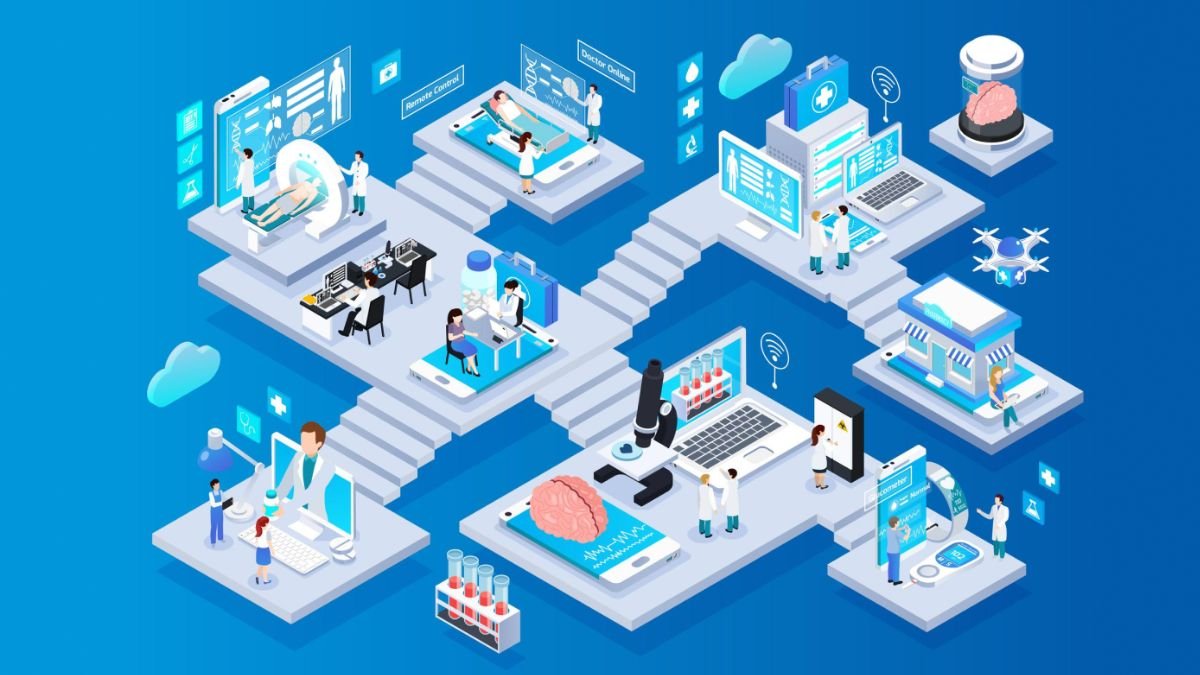


Technology has become a cornerstone of modern healthcare, transforming how medical services are delivered and improving patient outcomes. From hospitals and clinics to remote monitoring systems, advanced technology is reshaping the healthcare landscape. The integration of digital tools, artificial intelligence, and smart devices is enabling healthcare facilities to operate more efficiently, accurately, and safely.
Electronic Health Records (EHRs)
Electronic Health Records (EHRs) have revolutionized the way patient information is stored and shared. Unlike traditional paper records, EHRs provide real-time access to medical histories, lab results, imaging, and treatment plans. This ensures that doctors and nurses have accurate information for informed decision-making, reduces errors, and facilitates better coordination among healthcare teams.
Artificial Intelligence (AI) in Diagnostics and Treatment
Artificial Intelligence plays a pivotal role in diagnostics, treatment planning, and predictive healthcare. AI algorithms can analyze medical images, detect anomalies, and suggest personalized treatment options. Predictive analytics help identify high-risk patients, allowing early intervention and preventive care. AI-driven tools enhance accuracy, reduce human error, and improve overall patient outcomes.
Telemedicine and Remote Care
Telemedicine has expanded access to healthcare by connecting patients with medical professionals remotely. Video consultations, remote monitoring devices, and mobile health applications allow patients to receive care from home, especially in rural or underserved areas. Telemedicine reduces hospital congestion, enables continuous monitoring for chronic conditions, and improves patient convenience and satisfaction.
Robotic Surgery and Minimally Invasive Procedures
Robotic-assisted surgery and minimally invasive techniques have transformed surgical care. Precision robotics allow surgeons to perform complex procedures with smaller incisions, resulting in faster recovery, reduced pain, and lower risk of complications. These technologies improve surgical outcomes and enhance patient safety.
Smart Hospital Infrastructure
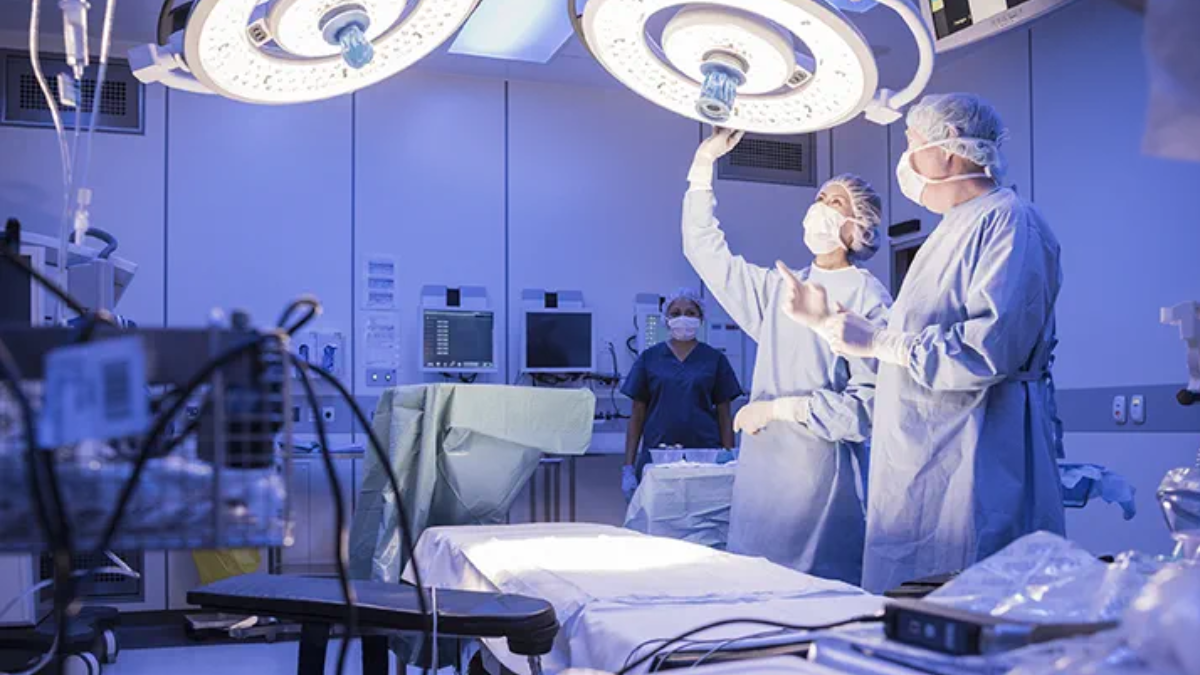
Modern healthcare facilities are adopting smart technologies to optimize patient care and operational efficiency. Smart rooms with automated lighting, temperature control, and real-time monitoring improve comfort and safety. IoT-enabled devices track equipment usage, patient vitals, and medication management, streamlining hospital operations and ensuring timely interventions.
Wearable Health Devices and Mobile Health Apps
Wearable devices such as fitness trackers, smartwatches, and medical-grade monitors provide continuous health data. Patients can track heart rate, blood pressure, glucose levels, and other vital signs. Mobile health apps integrate this data with healthcare providers, enabling proactive care, personalized health recommendations, and early detection of potential health issues.
Data Analytics and Decision Support Systems
Advanced data analytics in healthcare allows facilities to identify trends, optimize resource allocation, and improve treatment outcomes. Decision support systems assist clinicians by providing evidence-based recommendations, alerts for potential drug interactions, and reminders for preventive care. Analytics enable hospitals to make informed operational and clinical decisions, enhancing overall efficiency.
Enhanced Patient Experience
Technology enhances patient experience by improving communication, reducing wait times, and enabling personalized care. Digital appointment scheduling, virtual consultations, and online health portals provide convenience and transparency. Patient feedback systems help hospitals continuously improve services, contributing to higher satisfaction and better outcomes.
Conclusion
The role of technology in modern healthcare facilities is transformative, improving accuracy, efficiency, and patient outcomes. From electronic health records and AI diagnostics to telemedicine, robotic surgery, and smart infrastructure, technology is reshaping how care is delivered. By embracing these innovations, healthcare facilities can provide safer, more effective, and patient-centered care, marking a new era in modern medicine.
FAQs
Q1: How does AI improve patient care in healthcare facilities?
A1: AI enhances diagnostics, predicts disease risks, personalizes treatment, and reduces errors, improving overall patient outcomes.
Q2: What is the benefit of telemedicine for patients?
A2: Telemedicine allows remote consultations, continuous monitoring, and access to specialists, especially in remote or underserved areas.
Q3: How do smart hospital rooms improve patient care?
A3: Smart rooms provide automated environmental controls, real-time monitoring, and efficient communication with staff, enhancing comfort and safety.
Q4: Why are wearable health devices important in modern healthcare?
A4: They track vital signs continuously, enable proactive care, and integrate with healthcare providers for personalized treatment.
Q5: How does data analytics benefit hospitals?
A5: Data analytics helps optimize resources, identify trends, support evidence-based decisions, and improve operational and clinical outcomes.