
In 2025, hospitals are undergoing a remarkable transformation, driven by rapid technological advancements, patient-centered care approaches, and innovative healthcare models. These changes are reshaping the way patients receive treatment, making healthcare more efficient, accessible, and personalized. Modern hospitals are no longer just places for curing illness—they are comprehensive centers focused on prevention, wellness, and holistic patient experiences.
Integration of Artificial Intelligence (AI)
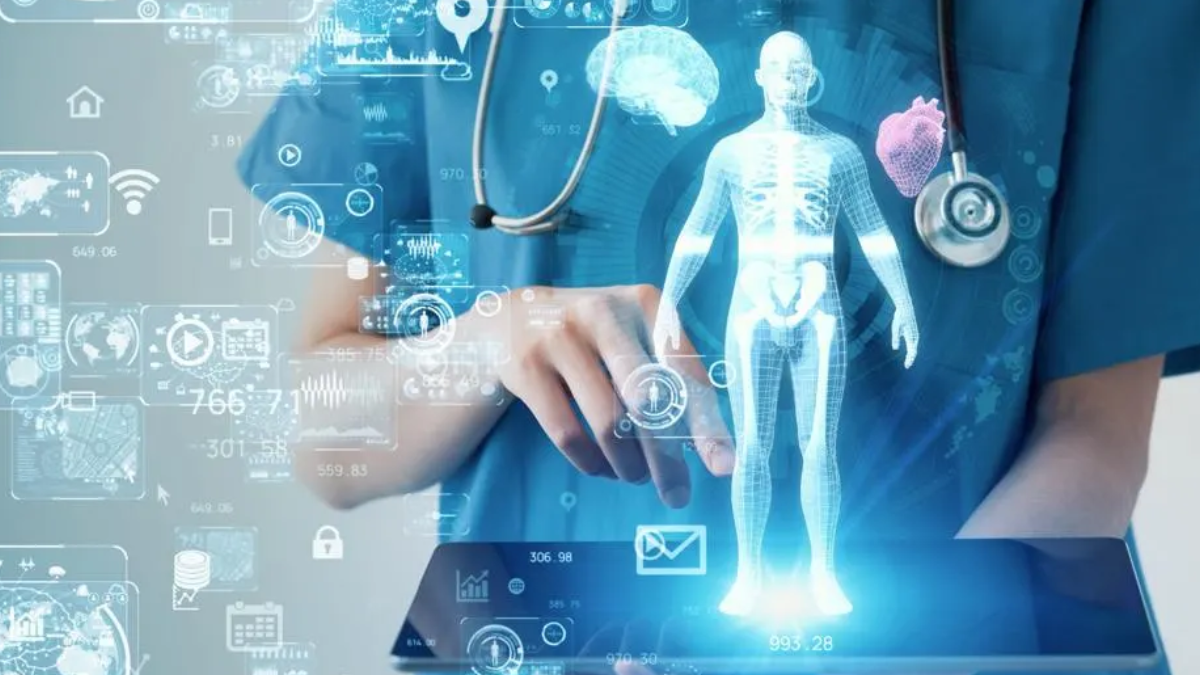
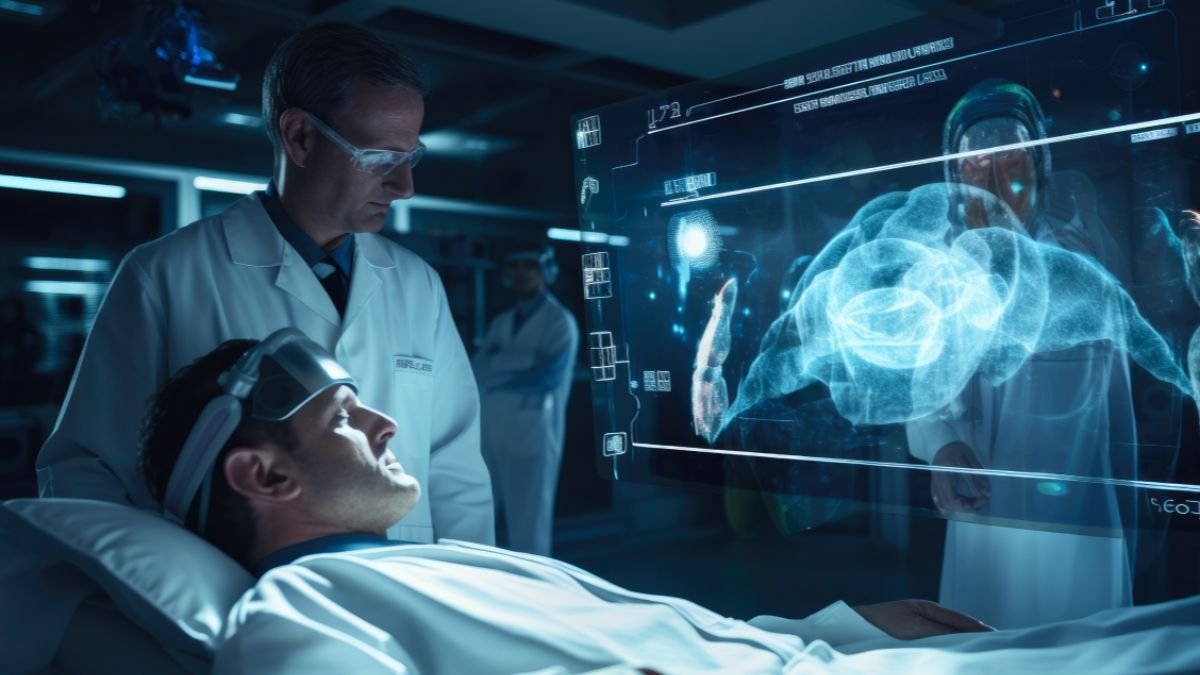
Artificial Intelligence has become a cornerstone in modern hospitals. AI-powered diagnostic tools can analyze medical images, detect anomalies with high precision, and even predict disease progression. This allows physicians to make faster, more accurate decisions, leading to improved outcomes. AI is also enhancing treatment planning by suggesting personalized therapy options and monitoring patient responses in real-time, minimizing errors and optimizing recovery.
Expansion of Telemedicine and Virtual Care
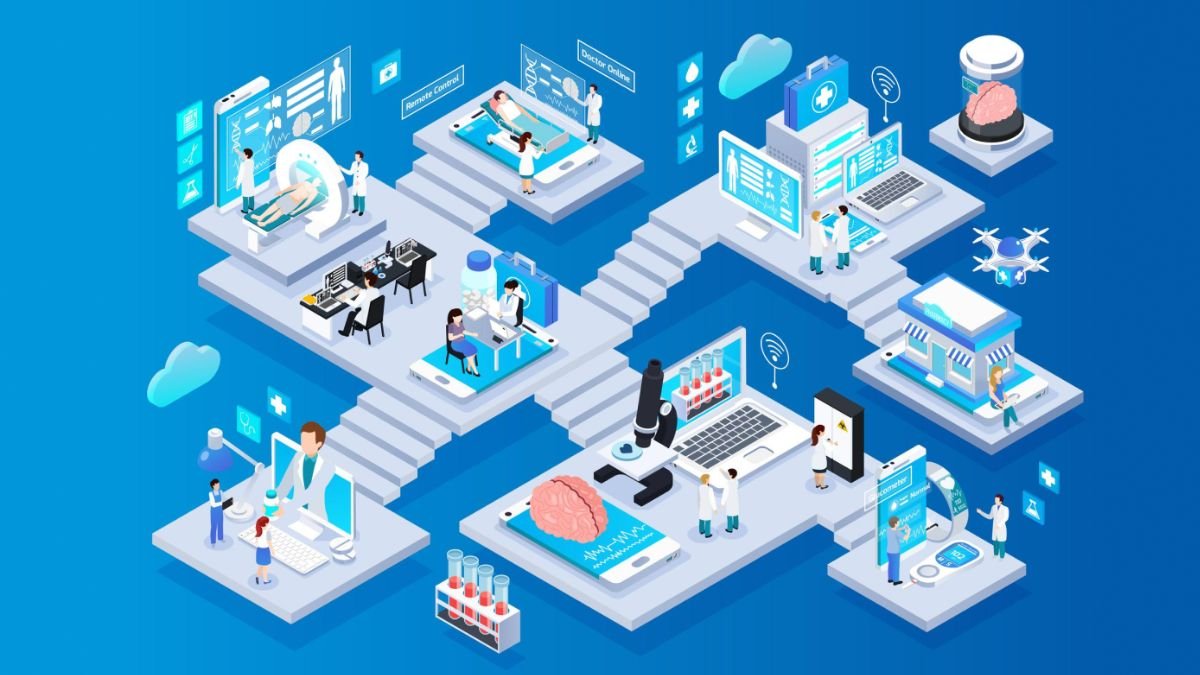
Telemedicine has emerged as a vital component of modern healthcare, especially in 2025. Hospitals are providing virtual consultations, remote monitoring, and follow-up care through secure digital platforms. Patients can now access specialists without traveling long distances, which is particularly beneficial for individuals in rural or underserved areas. Virtual care reduces hospital congestion while ensuring continuous monitoring for chronic conditions and mental health support.
Hybrid Care Models
Hospitals are increasingly adopting hybrid care models that combine in-person and virtual healthcare services. This approach offers flexibility and convenience for patients, allowing them to receive care tailored to their specific needs. Routine check-ups, consultations, and even some diagnostic services can now be conducted online, while critical procedures continue in the hospital. Hybrid models enhance patient satisfaction and improve resource allocation within healthcare facilities.
Smart Hospital Rooms
The design and functionality of hospital rooms are being revolutionized with smart technology. Modern patient rooms include automated lighting, climate control, and voice-activated systems that allow patients to control their environment. Real-time health monitoring devices track vital signs and alert staff to any changes, ensuring timely interventions. These innovations not only improve patient comfort but also help healthcare providers deliver more precise and responsive care.
Advanced Nursing and Staff Training
Hospitals in 2025 emphasize advanced training for nurses and medical staff. Simulation-based education using high-fidelity mannequins and virtual reality scenarios allows healthcare professionals to practice complex procedures safely. Continuous professional development programs improve clinical skills, enhance patient safety, and prepare staff to handle emerging medical challenges effectively.
Cashless and Accessible Healthcare
Modern hospitals are implementing initiatives to make healthcare more accessible and affordable. Cashless hospitalization schemes and integration with government insurance programs reduce financial barriers, allowing patients to receive care without worrying about upfront costs. These initiatives promote equity and ensure that high-quality medical services are available to a broader population.
Patient-Centered Care and Experience
Patient-centered care has become the guiding principle of modern hospitals. Personalized treatment plans, clear communication, and active patient involvement in decision-making are now standard practice. Hospitals focus on the physical, mental, and emotional well-being of patients, creating an environment that promotes faster recovery and overall satisfaction. Patient feedback and engagement are actively used to continuously improve hospital services.
Technological Innovations Beyond the Hospital
Technology is not limited to hospital walls. Wearable devices, mobile health apps, and remote monitoring tools allow patients to track their health continuously. AI-driven analytics provide insights into population health trends, enabling hospitals to plan preventive measures and optimize resource allocation. These innovations are transforming healthcare from reactive treatment to proactive management.
Conclusion
Modern hospitals in 2025 are transforming patient care through technology, innovation, and a renewed focus on patient-centered practices. From AI-driven diagnostics to smart hospital rooms, telemedicine, and accessible care initiatives, hospitals are setting new standards in healthcare delivery. The emphasis on personalized care, efficiency, and holistic well-being ensures that patients receive the highest quality care, marking a new era in the evolution of hospitals.
FAQs
Q1: How is AI improving patient care in modern hospitals?
A1: AI enhances diagnostics, predicts disease progression, personalizes treatment plans, and monitors patient responses, leading to more accurate and timely care.
Q2: What is a hybrid care model?
A2: A hybrid care model combines in-person and virtual healthcare services, offering flexibility and convenience while ensuring continuous patient monitoring.
Q3: How do smart hospital rooms benefit patients?
A3: Smart rooms provide automated environmental controls, real-time health monitoring, and voice-activated systems, improving comfort, safety, and care efficiency.
Q4: Why is patient-centered care important in modern hospitals?
A4: It ensures holistic well-being, personalized treatment, active patient involvement, and enhanced satisfaction and recovery outcomes.
Q5: How are hospitals making healthcare more accessible in 2025?
A5: Through cashless hospitalization schemes, integration with insurance programs, telemedicine, and digital monitoring tools, making care more equitable and convenient.