
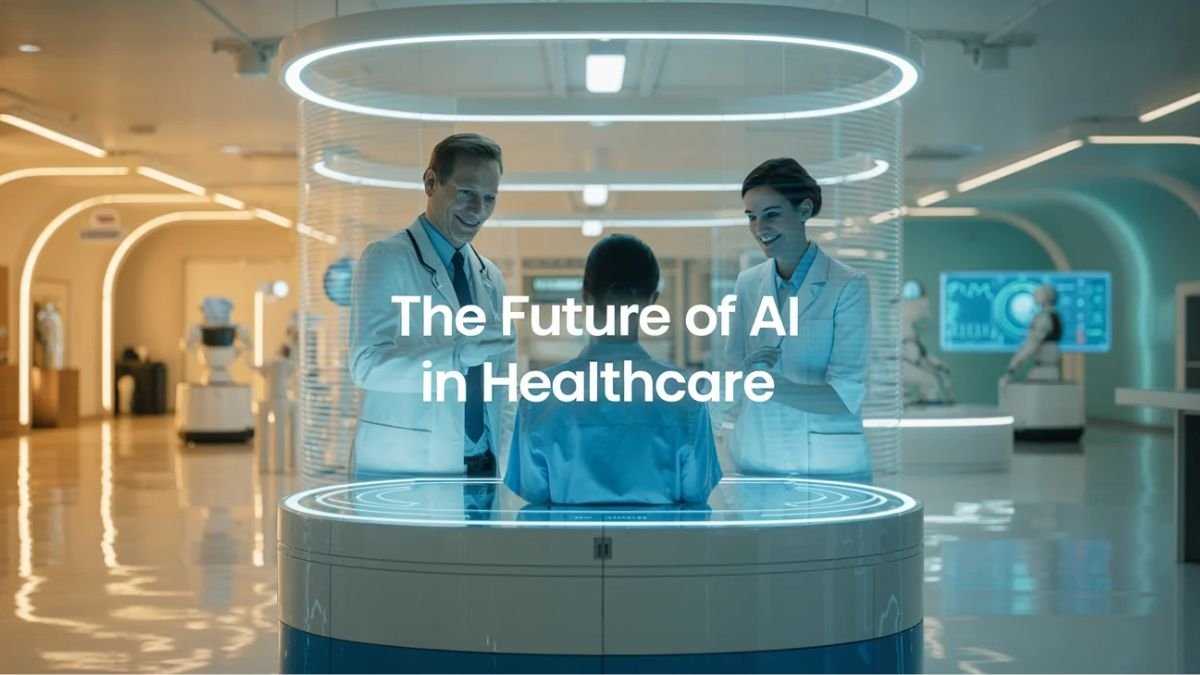
The healthcare industry is evolving rapidly, with smart hospitals emerging as the future of medical care. These advanced facilities integrate artificial intelligence (AI), robotics, and digital healthcare technologies to provide efficient, accurate, and patient-centered services. Smart hospitals aim to improve patient outcomes, streamline hospital operations, and offer personalized care through innovative solutions.
The Role of Artificial Intelligence in Smart Hospitals
Artificial Intelligence is transforming diagnostics, treatment planning, and hospital management. AI algorithms analyze medical imaging, predict disease progression, and recommend personalized treatment plans. Predictive analytics help identify high-risk patients early, enabling proactive interventions. AI-driven decision support systems also assist doctors in minimizing errors, optimizing resource allocation, and enhancing overall operational efficiency.
Robotics in Modern Healthcare
Robotic technology has revolutionized surgical procedures and hospital workflows. Robotic-assisted surgeries allow surgeons to perform precise, minimally invasive operations, reducing recovery times and complications. Robotics also assists in repetitive tasks such as medication dispensing, laboratory sample handling, and patient transport, freeing up staff to focus on complex clinical care.
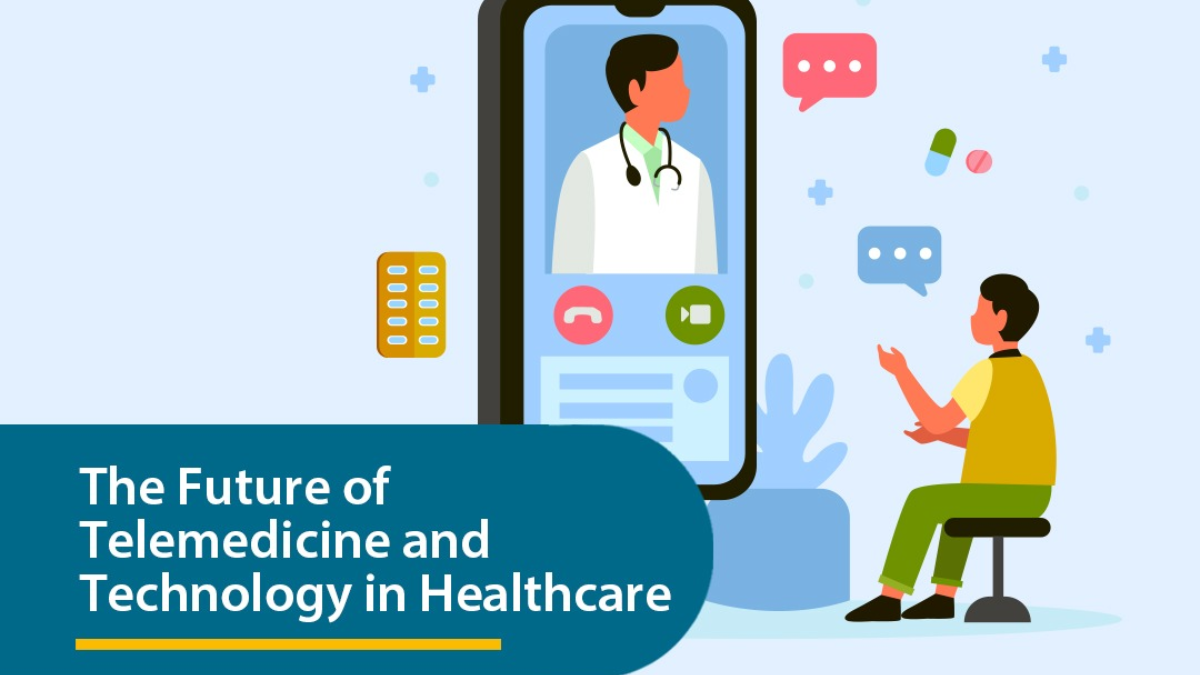
Digital Healthcare and Telemedicine
Digital healthcare solutions, including telemedicine and mobile health applications, extend access to medical services beyond the hospital walls. Teleconsultations, remote monitoring, and digital follow-ups enable patients in remote areas to receive timely care. Digital platforms improve communication between patients and healthcare providers, facilitate data sharing, and ensure continuous monitoring of chronic conditions.
Smart Infrastructure and IoT Integration
Smart hospitals leverage Internet of Things (IoT) devices to enhance patient safety and operational efficiency. Connected devices track vital signs, monitor hospital equipment, and automate environmental controls such as lighting and temperature. Real-time data collection allows staff to respond quickly to emergencies, optimize workflows, and reduce hospital errors.
Data Analytics and Predictive Healthcare
Advanced data analytics plays a critical role in the functionality of smart hospitals. By analyzing large volumes of patient data, hospitals can identify patterns, predict outbreaks, and implement preventive measures. Data-driven insights help in resource management, patient flow optimization, and personalized treatment strategies, ensuring efficient and high-quality care delivery.
Enhancing Patient Experience with Technology
Smart hospitals prioritize patient comfort and experience. Features such as digital check-ins, automated notifications, virtual consultations, and personalized care plans streamline hospital visits. AI chatbots and mobile apps provide real-time assistance, reducing waiting times and enhancing communication. The integration of technology ensures that patients feel informed, supported, and actively involved in their care journey.
Challenges and Considerations
While smart hospitals offer numerous benefits, implementing these technologies requires significant investment, staff training, and cybersecurity measures. Ensuring data privacy, maintaining system reliability, and integrating new tools with existing workflows are critical challenges. Hospitals must balance innovation with ethical practices and patient safety to maximize the advantages of smart healthcare systems.
Conclusion
Smart hospitals of the future represent a paradigm shift in healthcare, combining AI, robotics, and digital solutions to deliver efficient, precise, and patient-focused care. By leveraging these technologies, hospitals can improve outcomes, enhance patient experiences, and streamline operations. As innovation continues, smart hospitals will play a pivotal role in shaping the future of medicine and healthcare delivery worldwide.
FAQs
Q1: What is a smart hospital?
A1: A smart hospital integrates AI, robotics, IoT, and digital healthcare technologies to provide efficient, accurate, and patient-centered medical care.
Q2: How does AI improve patient care in smart hospitals?
A2: AI enhances diagnostics, predicts disease risks, personalizes treatments, and supports clinical decision-making to improve outcomes.
Q3: What role do robots play in hospitals?
A3: Robots assist in surgeries, automate repetitive tasks, transport supplies, and help reduce human error while increasing efficiency.
Q4: How does digital healthcare benefit patients?
A4: Digital healthcare provides telemedicine, remote monitoring, mobile health apps, and virtual consultations, ensuring continuous and convenient care.
Q5: What challenges do smart hospitals face?
A5: Challenges include high implementation costs, staff training, data security, integration with existing systems, and maintaining patient privacy.