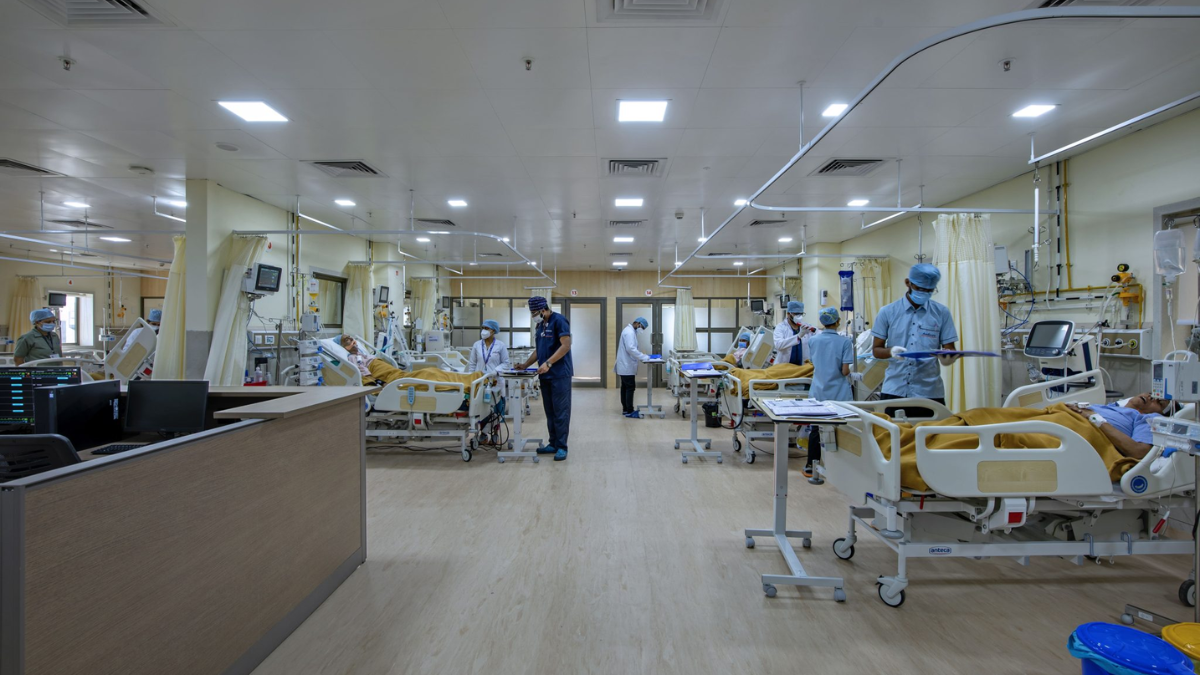


As the world focuses more on sustainability, healthcare facilities are recognizing the importance of adopting eco-friendly practices. Hospitals are traditionally high energy consumers and produce significant waste, but the concept of green hospitals is transforming the sector. Green hospitals prioritize environmental responsibility, energy efficiency, and patient well-being, while reducing their ecological footprint.
This guide explores what green hospitals are, their benefits, sustainable practices, and how they are shaping the future of healthcare.
What Are Green Hospitals?
Green hospitals are healthcare facilities designed and operated to minimize environmental impact while delivering high-quality patient care. They integrate sustainable architecture, energy-efficient systems, waste reduction, and environmentally conscious operations.
Core Principles of Green Hospitals
- Efficient use of energy and water.
- Reduced carbon footprint and greenhouse gas emissions.
- Sustainable building materials and waste management.
- Enhanced indoor air quality and patient comfort.
- Promoting health awareness and eco-friendly behaviors.
By incorporating these principles, green hospitals contribute to environmental conservation and improved public health.
Benefits of Green Hospitals
Green hospitals offer multiple advantages for the environment, patients, staff, and the healthcare system.
Environmental Benefits
- Reduced energy consumption through solar power, LED lighting, and efficient HVAC systems.
- Lower greenhouse gas emissions.
- Proper medical waste disposal and recycling programs.
- Conservation of water resources through sustainable plumbing and rainwater harvesting.
Patient and Staff Benefits
- Improved indoor air quality reduces the risk of infections and allergies.
- Natural lighting and green spaces enhance mental well-being and recovery.
- Noise reduction and sustainable design improve comfort and satisfaction.
Financial Benefits
- Lower energy and water bills through efficient systems.
- Reduced waste disposal costs through recycling and waste segregation.
- Long-term savings from sustainable building materials and renewable energy investments.
Sustainable Building Practices
Green hospitals focus on eco-friendly construction and operational strategies.
1. Energy-Efficient Design
- Incorporating natural lighting and ventilation.
- Using energy-efficient HVAC systems.
- Installing solar panels and renewable energy sources.
2. Water Conservation
- Implementing low-flow faucets and toilets.
- Recycling greywater for landscaping and cleaning.
- Harvesting rainwater for non-potable uses.
3. Sustainable Materials
- Using recycled or locally sourced construction materials.
- Avoiding toxic paints, adhesives, and finishes.
- Designing modular and adaptable spaces for long-term use.
4. Waste Management
- Segregating medical, hazardous, and general waste.
- Implementing recycling programs for plastics, paper, and metals.
- Safe disposal of biohazardous and pharmaceutical waste.
Energy Management in Green Hospitals
Efficient energy management is a cornerstone of green hospitals.
Strategies for Energy Efficiency
- Installing LED lighting and motion sensors in corridors and rooms.
- Using smart energy management systems to monitor and reduce consumption.
- Conducting regular energy audits to identify savings opportunities.
Renewable Energy Integration
- Solar panels for electricity generation.
- Wind turbines in suitable locations.
- Geothermal systems for heating and cooling.
Effective energy management reduces costs and environmental impact while ensuring reliable power for critical healthcare operations.
Eco-Friendly Waste Management
Hospitals produce various types of waste, including medical, chemical, and general waste. Green hospitals implement comprehensive waste management systems.
Key Waste Management Practices
- Segregation at the source into infectious, non-infectious, recyclable, and hazardous categories.
- Safe disposal of sharps, biohazards, and pharmaceuticals.
- Partnering with certified waste management companies for recycling and treatment.
- Encouraging staff training on waste reduction and sustainable practices.
Sustainable Procurement Practices
Green hospitals prioritize environmentally responsible procurement.
Key Procurement Strategies
- Sourcing eco-friendly medical equipment and supplies.
- Choosing biodegradable and recyclable materials for packaging.
- Partnering with suppliers committed to sustainable practices.
- Reducing single-use plastics and promoting reusable alternatives.
Sustainable procurement ensures that every aspect of hospital operations contributes to environmental conservation.
Indoor Air Quality and Patient Health
Indoor air quality significantly affects patient recovery, staff productivity, and overall hospital hygiene.
Strategies to Improve Indoor Air Quality
- Installing HEPA filters and air purification systems.
- Using low-VOC paints and construction materials.
- Incorporating greenery and plants to improve oxygen levels and mental well-being.
Better air quality in hospitals supports faster recovery, fewer infections, and a healthier working environment.
Green Spaces and Healing Environments
Green hospitals integrate outdoor and indoor green spaces to enhance patient care.
Benefits of Green Spaces
- Reduces stress and anxiety in patients and visitors.
- Promotes physical activity and rehabilitation.
- Enhances aesthetics and overall patient experience.
Implementation Ideas
- Roof gardens and landscaped courtyards.
- Indoor plants and atriums for natural lighting and air purification.
- Healing gardens designed for patient therapy and relaxation.
Digital Transformation and Sustainability
Technology can enhance sustainability in hospitals.
Digital Strategies for Green Hospitals
- Electronic health records (EHR) to reduce paper use.
- Telemedicine services to reduce patient travel and carbon footprint.
- Energy monitoring systems to track and optimize resource consumption.
- Smart scheduling and resource management to minimize waste.
Digital transformation supports sustainability while improving efficiency and patient care.
Challenges in Implementing Green Practices
While green hospitals offer significant benefits, challenges exist.
Common Challenges
- High initial investment in sustainable technologies and building materials.
- Staff training and behavior change for waste management and energy conservation.
- Limited availability of eco-friendly medical supplies.
- Balancing environmental goals with patient safety and operational efficiency.
Overcoming these challenges requires strong leadership, policy support, and a culture of sustainability.
Case Studies of Green Hospitals
Several hospitals worldwide have successfully implemented green initiatives:
- Khoo Teck Puat Hospital (Singapore): Integrates energy-efficient systems, water conservation, and extensive green spaces.
- Cleveland Clinic (USA): Uses solar energy, digital records, and sustainable procurement.
- All India Institute of Medical Sciences (AIIMS), New Delhi: Focused on waste segregation, energy efficiency, and water recycling initiatives.
These examples highlight that green hospitals can be operationally successful while minimizing environmental impact.
The Future of Green Hospitals
Sustainability in healthcare is expected to grow as climate change awareness and regulations increase. Future trends include:
- Increased use of renewable energy and smart building technologies.
- Advanced waste-to-energy and recycling systems.
- Integration of sustainability metrics into hospital accreditation.
- Greater focus on patient-centered eco-friendly designs.
Green hospitals of the future will prioritize environmental responsibility alongside patient care and operational efficiency.
Conclusion
Green hospitals represent a vital step toward sustainable healthcare, combining environmental responsibility with patient-centered care. By implementing energy-efficient systems, sustainable procurement, eco-friendly construction, and waste management strategies, hospitals can significantly reduce their ecological footprint.
Adopting green practices not only benefits the environment but also enhances patient outcomes, staff well-being, and financial efficiency. As healthcare continues to evolve, green hospitals will set the standard for sustainable, efficient, and high-quality care.