

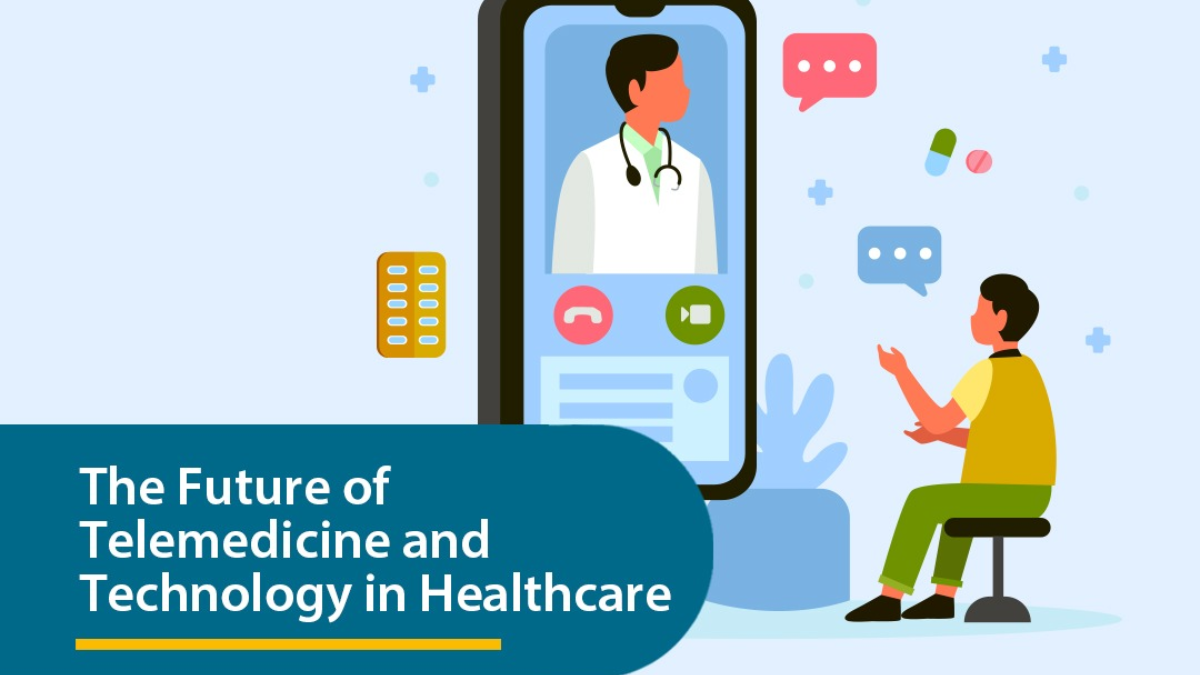
Telemedicine and online hospital services are revolutionizing the healthcare industry. The COVID-19 pandemic accelerated the adoption of virtual healthcare, and in 2025, these technologies are expected to become an integral part of medical services worldwide. Telemedicine allows patients to consult with healthcare providers remotely, while online hospital services offer a wide range of digital healthcare solutions, from appointment scheduling to remote monitoring.
The shift towards digital healthcare is driven by the need for accessibility, efficiency, and cost-effectiveness. Patients now expect quick consultations, minimal waiting times, and easy access to their medical records, pushing hospitals and clinics to adapt and innovate.
1. Growth of Telemedicine
Telemedicine is rapidly expanding due to technological advancements and changing patient expectations. Patients now prefer the convenience of virtual consultations over traditional in-person visits.
Key Drivers
- Increasing smartphone and internet penetration, particularly in rural and underserved areas.
- Rising healthcare costs and the need for affordable care options.
- Chronic disease management requiring continuous monitoring and frequent consultations.
- Government support and healthcare policy reforms promoting telehealth adoption.
Benefits
- Improved accessibility for patients in remote regions.
- Reduced travel and waiting times, saving both money and energy.
- Enhanced patient engagement and monitoring through digital tools.
- Timely medical interventions for critical conditions, reducing complications.
Real-World Impact
Telemedicine has already shown significant results in mental health services, chronic disease management, and follow-up care. Studies indicate that virtual consultations can reduce hospital readmissions and improve patient satisfaction by providing continuous care from home.
2. Online Hospital Services
Online hospital services encompass a broad spectrum of digital healthcare solutions, including online appointment booking, electronic medical records, teleconsultations, and remote patient monitoring.
Features
- Virtual Consultations: Patients can consult doctors via video, phone, or chat, reducing the need for physical visits.
- Digital Records: Electronic health records (EHR) ensure seamless access, sharing, and updating of patient information.
- Remote Monitoring: Wearable devices and IoT sensors track patient health in real-time, enabling preventive care.
- Pharmacy Services: Online prescriptions and medicine delivery improve convenience and adherence to treatment plans.
Advantages
- Reduces administrative workload for hospital staff.
- Enhances accuracy in diagnostics and treatment plans through integrated digital data.
- Increases patient satisfaction by providing personalized, timely care.
3. Integration with AI and Machine Learning
Artificial intelligence (AI) and machine learning (ML) are transforming telemedicine by improving diagnostics, treatment planning, and patient care.
Applications
- AI-powered chatbots for initial diagnosis and triage.
- Predictive analytics to identify high-risk patients and anticipate healthcare needs.
- Automated appointment scheduling, reminders, and follow-ups.
- Personalized treatment plans using patient history and real-time monitoring.
Future Possibilities
AI could assist doctors in complex surgical procedures, analyze imaging data for faster diagnosis, and provide continuous learning algorithms to improve patient outcomes over time.
4. Regulatory and Security Considerations
As telemedicine grows, regulatory and data security measures become increasingly important to protect patient privacy and ensure quality care.
Key Aspects
- Compliance with HIPAA, GDPR, and local regulations regarding patient data.
- Secure platforms for video consultations and cloud-based data storage.
- Authentication, encryption, and cybersecurity protocols for patient records.
- Transparent policies for telemedicine services to build patient trust.
Challenges
- Ensuring consistent regulatory compliance across countries and states.
- Addressing patient concerns about data breaches and misuse.
- Balancing ease of access with stringent security measures.
5. Challenges and Limitations
Despite its benefits, telemedicine faces several challenges that need to be addressed.
Challenges
- Limited access for patients without internet, smartphones, or compatible devices.
- Difficulty in conducting physical examinations remotely for certain conditions.
- Technological literacy gaps among patients and some healthcare providers.
- Insurance coverage and reimbursement issues for virtual consultations.
- Integration with existing healthcare infrastructure can be complex.
Solutions
- Expanding broadband access and providing devices to underserved areas.
- Offering hybrid models combining in-person visits with telehealth follow-ups.
- Training programs for patients and providers to improve digital literacy.
- Updating healthcare policies to standardize telemedicine reimbursement.
6. The Future Outlook
The future of telemedicine and online hospital services looks promising, with ongoing innovations in technology and healthcare delivery models.
Emerging Trends
- Increased use of virtual reality (VR) and augmented reality (AR) for remote surgeries, rehabilitation, and training.
- Integration of AI with telemedicine platforms for improved diagnostics and predictive care.
- Expansion of mobile health (mHealth) apps for chronic disease management and wellness tracking.
- Growth of hybrid models combining in-person and virtual care for optimal patient outcomes.
- Development of global telemedicine networks connecting specialists worldwide.
Long-Term Impact
Telemedicine has the potential to transform healthcare delivery by making it more patient-centric, efficient, and accessible. Hospitals may increasingly rely on virtual care as a primary channel, reserving in-person visits for critical or complex cases.
7. Recommendations for Healthcare Providers
- Invest in secure and user-friendly telemedicine platforms.
- Train staff and patients to maximize the benefits of online services.
- Collaborate with tech companies for AI, wearable devices, and remote monitoring solutions.
- Continuously monitor patient satisfaction and adapt services accordingly.
- Promote awareness of telemedicine benefits among patients.
Conclusion
Telemedicine and online hospital services are reshaping healthcare by offering convenient, accessible, and efficient solutions. As technology continues to evolve, these services are likely to become the standard in healthcare delivery, improving patient outcomes and reducing the burden on traditional medical facilities. Embracing these innovations in 2025 and beyond will be crucial for healthcare providers and patients alike, ensuring a more connected, patient-focused healthcare ecosystem.