

Hospitals have always been a cornerstone of human health and well-being. From their earliest origins as simple care centers to today’s advanced super speciality hospitals, their evolution reflects advancements in medicine, technology, and patient care philosophies. Understanding this journey highlights how healthcare has adapted to meet growing societal needs.
Early Hospitals: The Foundations of Care
The concept of hospitals dates back thousands of years. In ancient civilizations like Egypt, Greece, and Rome, rudimentary facilities provided shelter and basic care for the sick. These early hospitals were often linked to religious institutions where monks or priests offered medical attention alongside spiritual support. The focus was primarily on rest, nourishment, and hygiene rather than specialized treatments.
Medieval Hospitals: Charity and Community
During the Middle Ages, hospitals evolved as charitable institutions. Monasteries and religious orders established hospices and infirmaries to care for the poor and travelers. While medical knowledge was limited, these institutions played a crucial role in promoting cleanliness, providing food, and offering basic medical attention. The emphasis remained on compassion and humanitarian aid rather than advanced medical procedures.
Renaissance and Early Modern Hospitals: Scientific Advancements
The Renaissance period brought a shift toward more scientific approaches in medicine. Hospitals began to incorporate structured medical training, surgical practices, and record-keeping. Physicians and surgeons started to explore anatomy and disease mechanisms more rigorously, laying the groundwork for modern medical education. The patient experience became more systematic, with separate wards and better hygiene practices.
19th Century: The Birth of Modern Hospitals
The 19th century marked a turning point in hospital evolution. With the advent of germ theory, antiseptic techniques, and anesthesia, hospitals transformed into centers for medical innovation. Governments and philanthropists invested in building larger, purpose-designed facilities. Hospitals began to emphasize diagnosis, treatment, and specialized care, moving beyond mere custodial care. Nursing became a recognized profession, improving patient management and recovery outcomes.
20th Century: Specialization and Technological Growth
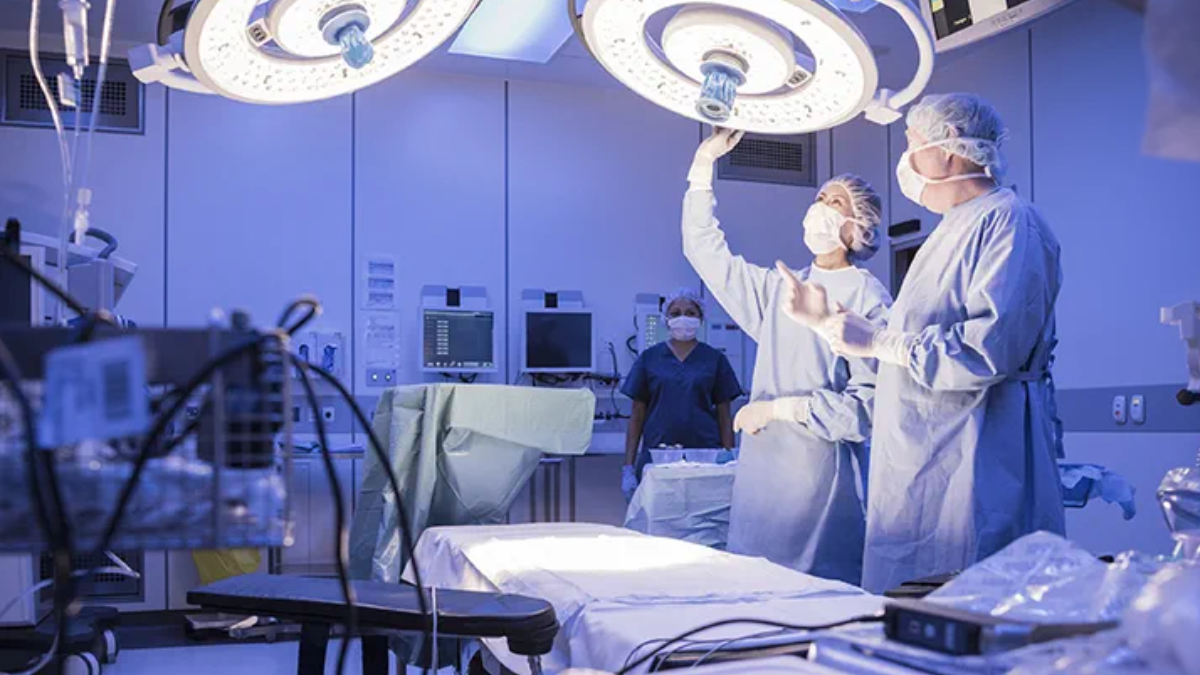
The 20th century witnessed rapid advancements in medical technology and specialization. Hospitals developed departments focused on cardiology, oncology, neurology, and other medical fields. Diagnostic tools such as X-rays, MRIs, and CT scans revolutionized patient assessment. The emergence of intensive care units (ICUs), emergency services, and surgical theaters enabled hospitals to handle complex cases efficiently. This era established the blueprint for modern healthcare delivery systems.
Super Speciality Hospitals: Comprehensive Care for Complex Needs
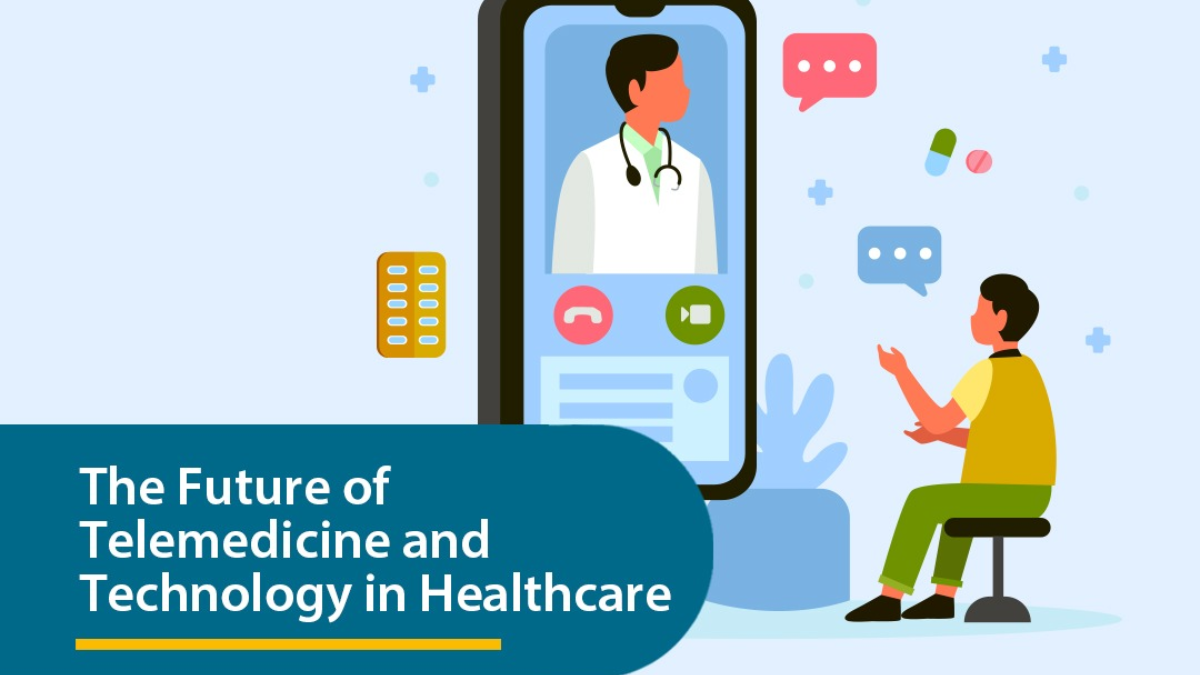
In the 21st century, hospitals have evolved into super speciality centers offering cutting-edge treatment for intricate medical conditions. These facilities combine advanced technology, multidisciplinary expertise, and patient-centered care. Robotic surgery, minimally invasive procedures, telemedicine, and AI-assisted diagnostics have become integral to modern healthcare. Super speciality hospitals not only treat patients but also engage in research, medical education, and preventive care, creating a holistic approach to health.
The Role of Technology in Hospital Evolution
Technology has been a key driver in transforming hospitals. Electronic health records streamline patient information, reducing errors and improving coordination. Telemedicine expands access to care, especially in remote areas. Robotics and AI enhance precision in surgeries and diagnostics. Wearable devices and health monitoring tools enable proactive management of chronic diseases. Technology ensures hospitals are more efficient, effective, and patient-friendly than ever before.
Patient-Centered Care: A Paradigm Shift
Modern hospitals prioritize patient experience alongside medical outcomes. Emphasis on empathy, communication, and comfort has reshaped hospital design and services. Private rooms, rehabilitation centers, counseling, and personalized treatment plans are standard in super speciality hospitals. Hospitals now recognize that healing encompasses physical, mental, and emotional well-being.
Conclusion
The journey from basic care facilities to super speciality hospitals illustrates the remarkable progress in healthcare. What began as simple shelters for the sick has transformed into technologically advanced, patient-centered institutions capable of treating complex medical conditions. This evolution reflects society’s commitment to improving health outcomes and ensuring that quality care is accessible to all.
FAQs
Q1: When did hospitals start focusing on specialized medical care?
A1: Specialized care began to develop during the 19th and 20th centuries, with departments dedicated to cardiology, oncology, neurology, and other fields.
Q2: What role did religious institutions play in the evolution of hospitals?
A2: Religious institutions were central in the early and medieval periods, providing shelter, basic care, and humanitarian support before modern medical knowledge became widespread.
Q3: How has technology transformed modern hospitals?
A3: Technology has enabled accurate diagnostics, robotic surgeries, telemedicine, electronic health records, and improved patient monitoring, making healthcare more efficient and effective.
Q4: What defines a super speciality hospital?
A4: Super speciality hospitals provide comprehensive care for complex conditions, combining advanced technology, multidisciplinary expertise, research, education, and patient-centered services.
Q5: How has patient-centered care changed hospital practices?
A5: Hospitals now emphasize empathy, communication, comfort, and personalized treatment plans, focusing on holistic healing for physical, mental, and emotional well-being.