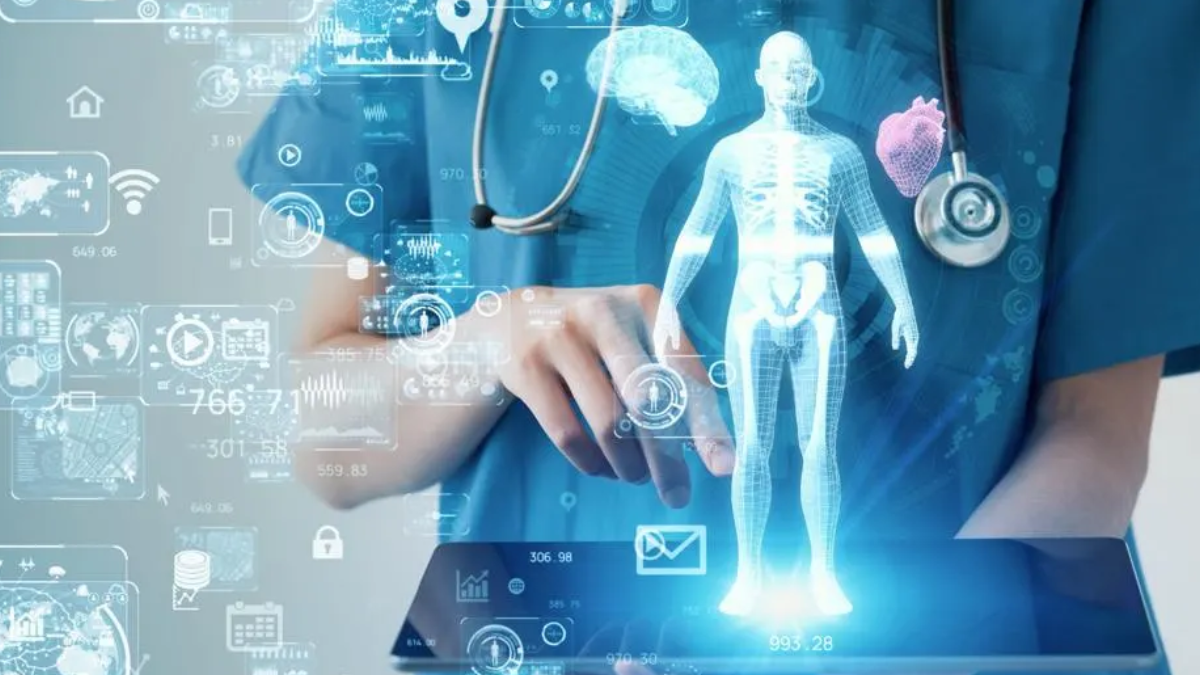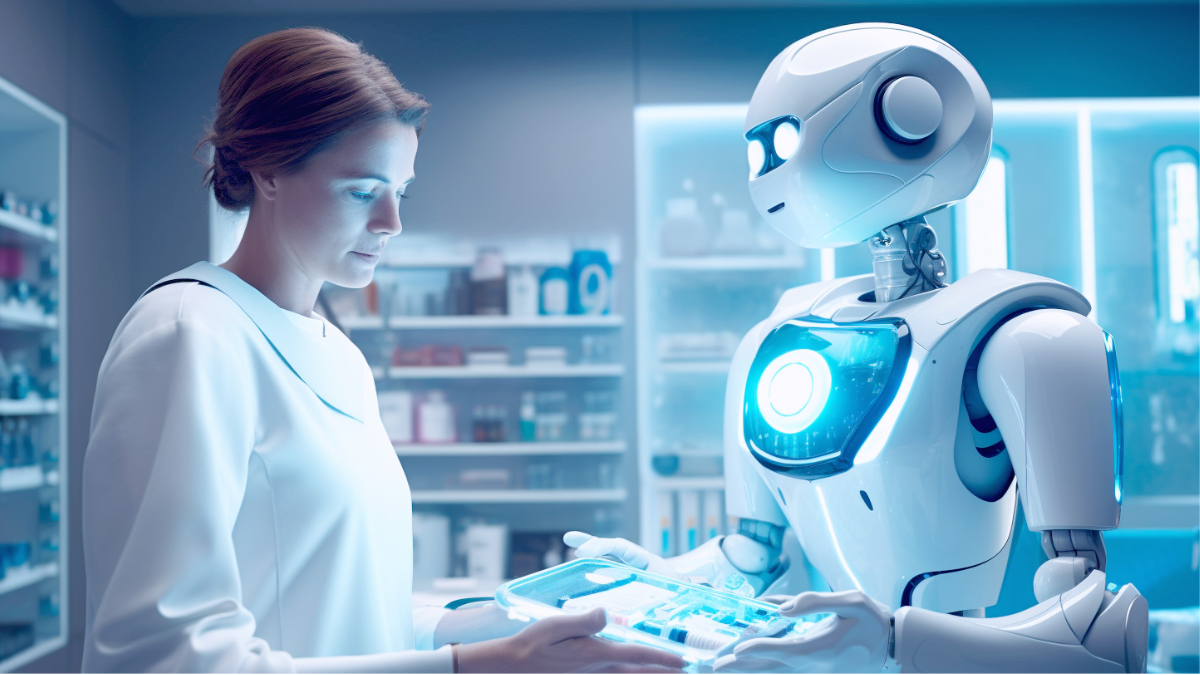


The healthcare industry has witnessed a rapid transformation over the past decade, largely driven by technological innovations. Hospitals today are no longer just centers for treating illnesses—they are smart ecosystems where technology ensures patient safety, improves comfort, and enhances overall care. From artificial intelligence (AI) to wearable devices, technology is reshaping the hospital experience for patients and healthcare professionals alike. This article explores how modern technology improves patient care and creates a safer, more comfortable healthcare environment.
The Role of Technology in Modern Hospitals
Modern hospitals integrate technology across multiple areas of care, from diagnosis to treatment and patient monitoring. The primary goals are to:
- Reduce medical errors and enhance patient safety
- Improve the quality and efficiency of care
- Provide personalized and comfortable healthcare experiences
Key Areas of Technological Impact
- Diagnostics and Monitoring
- Treatment and Surgical Procedures
- Patient Communication and Engagement
- Hospital Operations and Workflow
Advanced Diagnostics and Monitoring
Artificial Intelligence in Diagnostics
Artificial intelligence (AI) plays a pivotal role in reducing diagnostic errors:
- Medical Imaging: AI algorithms analyze X-rays, MRIs, and CT scans to detect anomalies such as tumors, fractures, and infections faster than conventional methods.
- Predictive Analytics: AI predicts disease progression and potential complications, enabling early intervention.
- Decision Support Systems: AI-assisted platforms help clinicians choose optimal treatment plans based on patient history and global medical data.
Remote Patient Monitoring
Wearable devices and IoT-enabled equipment allow continuous monitoring of patients:
- Vital Signs Tracking: Heart rate, blood pressure, oxygen levels, and glucose levels are monitored in real-time.
- Chronic Disease Management: Continuous data helps manage conditions like diabetes, heart disease, and respiratory disorders.
- Early Alerts: Automated alerts notify healthcare teams of abnormal readings, preventing critical incidents.
Technology in Treatment and Surgical Care
Robotics in Surgery
Robotics has revolutionized surgical procedures:
- Minimally Invasive Surgery: Robotic-assisted surgeries reduce incision size, pain, and recovery time.
- Precision and Accuracy: Robotic systems enhance the surgeon’s precision, minimizing complications.
- Remote Operations: Tele-robotics allow expert surgeons to perform surgeries from different locations, improving access to specialized care.
Smart Medication Management
Automated systems ensure safe and accurate medication administration:
- Electronic Prescriptions: Reduce errors caused by illegible handwriting or incorrect dosing.
- Medication Dispensing Robots: Deliver precise doses on schedule, reducing human error.
- Inventory Management: Automated tracking of medications ensures availability and reduces wastage.
Enhancing Patient Comfort and Experience
Technology not only ensures safety but also improves patient comfort and engagement.
Patient Portals and Mobile Apps
- Health Information Access: Patients can view lab results, treatment plans, and discharge instructions online.
- Appointment Scheduling: Digital platforms reduce waiting times and improve convenience.
- Secure Communication: Patients can consult doctors virtually, ask questions, and receive guidance.
Virtual Reality (VR) and Augmented Reality (AR)
- Pain and Anxiety Management: VR experiences help patients manage pain and anxiety during treatments.
- Patient Education: AR visualizations explain procedures, helping patients understand their care plans.
- Staff Training: VR allows staff to simulate complex procedures safely, improving patient outcomes.
Smart Rooms and Environment Control
Modern hospital rooms are equipped with smart technologies:
- Automated Lighting and Temperature Control: Ensures comfort and reduces stress for patients.
- Smart Beds: Adjust automatically to improve circulation and prevent bedsores.
- Entertainment Systems: Access to digital content reduces anxiety and improves overall hospital experience.
Operational Efficiency for Better Patient Care
Technology streamlines hospital operations, indirectly benefiting patient safety and comfort:
- Electronic Health Records (EHRs): Centralized digital records improve coordination among healthcare teams.
- Scheduling Software: Efficient allocation of staff, operating rooms, and equipment reduces wait times.
- Telemedicine: Enables remote consultations, follow-ups, and monitoring, expanding access to care.
Safety Benefits of Technology in Hospitals
Technology significantly reduces medical errors and improves patient safety:
- Error Reduction: Automation minimizes human mistakes in medication administration and treatment procedures.
- Infection Control: UV-C robots and automated cleaning systems reduce hospital-acquired infections.
- Data Security: Encryption and secure systems protect sensitive patient information.
Challenges and Considerations
Despite its benefits, integrating technology in hospitals comes with challenges:
- High Implementation Costs: Advanced equipment and software require significant investment.
- Training Requirements: Staff must be adequately trained to use new systems effectively.
- Data Privacy Concerns: Hospitals must protect patient information against cyber threats.
- Accessibility: Ensuring that technology benefits all patients, including those in rural or underprivileged areas, is essential.
The Future of Patient Care with Technology
The future promises even more integration of technology into patient care:
- AI-Powered Personalized Treatment: Tailoring care based on genetics and real-time data.
- Robotics in Rehabilitation: Assisting patients with mobility and post-surgery recovery.
- Telehealth Expansion: Providing global access to specialized healthcare.
- Predictive Healthcare: Using big data to prevent illnesses before they occur.
Conclusion
Technology has become an essential component of modern healthcare, significantly enhancing patient safety, comfort, and overall experience. From AI-driven diagnostics and robotic surgeries to wearable monitoring devices and smart hospital rooms, innovations are transforming the way patients interact with healthcare systems. While challenges such as cost and data security remain, the continued adoption of technology promises safer, more efficient, and patient-centric care. Hospitals of the future will not only treat illnesses but also provide a supportive, comfortable, and proactive healthcare environment.
Frequently Asked Questions (FAQs)
1. How does technology improve patient safety in hospitals?
Technology reduces errors in diagnostics, treatment, and medication administration, while real-time monitoring helps prevent complications.
2. What role do wearable devices play in patient care?
Wearable devices continuously monitor vital signs, manage chronic conditions, and alert healthcare providers of any abnormalities.
3. Can technology improve patient comfort during hospital stays?
Yes, smart beds, environment control, VR/AR for pain and anxiety management, and patient portals enhance comfort and engagement.
4. How are robotics used in healthcare?
Robotics assist in surgeries for precision, help nurses with routine tasks, and maintain hygiene through automated cleaning systems.
5. What are the challenges of using technology in hospitals?
Challenges include high costs, staff training requirements, data privacy concerns, and ensuring equitable access for all patients.